Cessna Nose Gear Strut Assembly: Replacement Nose Landing Gear Component
Cessna Nose Gear Strut Assembly: Replacement Nose Landing Gear Component
Blog Article
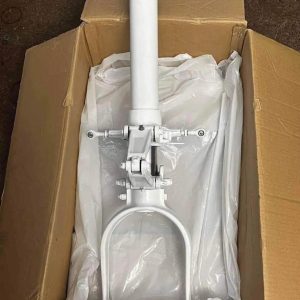
The Cessna Nose Gear Strut Assembly is an important landing-gear component designed to support the forward section of a compatible aircraft during taxiing, takeoff, landing, parking, towing, and routine ground operations.
Accurate use of these keywords improves search relevance without implying universal compatibility across the Cessna product line.
Whether described as an Aircraft Nose Landing Gear Assembly or Cessna Shock Strut Assembly, the unit should be evaluated as part of the complete airframe and landing-gear system.
The Cessna Nose Gear Shock Absorber, Cessna Landing Gear Assembly, Aircraft Landing Gear Strut, and Cessna Nose Wheel Strut phrases highlight the component’s role in supporting loads and controlling ground impacts.
The Cessna Steering Strut Assembly, Cessna Replacement Nose Gear, click here and General Aviation Landing Gear Parts keywords describe commercially relevant searches for maintenance and restoration projects.
Why Exact Landing Gear Identification Matters
The seller should provide clear photographs of the cylinder, piston, fork, steering features, mounting points, torque links, hardware, and identification markings.
Included items may vary and can involve the strut body, piston, fork, axle, torque links, steering collar, seals, bearings, spacers, hardware, wheel, or tire.
How the Nose Gear Supports the Airframe
System-level evaluation is essential when selecting or inspecting the component.
Repeated hard landings, runway excursions, towing incidents, shimmy, improper servicing, corrosion, and maintenance errors can affect both the strut and nearby structure.
Managing Landing and Taxi Impacts
A strut that appears fully extended may still contain internal wear, incorrect pressure, or unsuitable fluid quantity.
Excessive compression, insufficient extension, rapid rebound, leakage, sticking, or uneven movement can indicate servicing, seal, internal-surface, alignment, or load concerns.
Nose Wheel Steering and Directional Control
The steering system should be evaluated as a complete arrangement rather than through the strut alone.
Towing procedures should respect the aircraft’s steering limitations.
Aircraft Model and Serial-Range Compatibility
Two aircraft with similar outward appearance may use different struts, forks, cylinders, steering features, hardware, or mounting arrangements.
The complete receiving-aircraft configuration should be reviewed before purchase.
Inspecting for Scoring, Pitting, and Wear
The strut cylinder and piston surfaces should be examined for scoring, corrosion, pitting, scratches, impact marks, discoloration, and evidence of improper tool use.
Qualified inspection protects the long-term value of the Cessna Landing Gear Strut.
Evaluating Hydraulic Fluid Loss
Fluid leakage around the piston, seals, fittings, plugs, or servicing points can indicate deteriorated seals, damaged surfaces, loose components, contamination, or incorrect assembly.
Seal grooves, backup rings, scrapers, and retaining components should be checked when the assembly is opened.
Protecting Cessna Landing Gear Components
Corrosion may develop on external surfaces, inside bores, around fasteners, beneath paint, near mounting points, or within neglected fluid areas.
Responsible preservation helps maintain the Cessna Nose Gear Assembly.
Crack, Bend, and Impact-Damage Inspection
Some defects may be difficult to identify without cleaning, magnification, dimensional comparison, or suitable nondestructive inspection.
The seller should disclose the donor aircraft’s removal reason and known incident history.
Inspecting the Cessna Nose Wheel Strut
The axle should remain dimensionally suitable, smooth, correctly secured, and free from severe wear or thread damage.
Professional assembly supports dependable Cessna Nose Wheel Strut performance.
Evaluating Wear and Side Play
Torque links and related pivot components help maintain alignment between moving portions of many nose gear strut designs.
System-level maintenance protects the Aircraft Nose Landing Gear Assembly.
Reducing Repetitive Landing Gear Wear
Operational reports should identify when the vibration occurs and under what taxi or landing conditions.
Uneven tire wear can indicate alignment concerns, fork distortion, bearing issues, incorrect pressure, steering problems, or repeated side loading.
Servicing the Cessna Shock Strut
Values from another Cessna model should not be applied without verification.
Proper servicing protects the Aircraft Landing Gear Strut and surrounding structure.
Evaluating Internal and External Components
Clear terminology helps buyers understand the actual condition of the assembly.
Reconditioning decisions depend on structural condition, dimensional limits, corrosion depth, surface damage, repair data, parts availability, and cost.
Aircraft Nose Gear Buying Guide
Detailed review reduces unsuitable purchases and unexpected overhaul costs.
- Compare the assembly with the receiving aircraft’s illustrated parts information, mounting points, steering system, wheel fork, axle, tire, torque links, and approved hardware.
- Confirm total time when known, removal reason, donor aircraft, overhaul history, servicing status, seal replacement, and inspection results.
- Require packaging that supports the strut and protects the piston surface, cylinder, fork, axle, steering components, fittings, identification markings, records, and loose hardware from impact, corrosion, and movement.
Protecting the Landing Gear Strut in Transit
The chrome or polished piston area should receive protective wrapping that prevents impact and contamination without trapping moisture.
Forks and mounting features should not be used as uncontrolled lifting points unless approved for handling.
Preparing a Stored Assembly for Service
The assembly should not rest directly on delicate fittings, the axle threads, polished surfaces, or unstable supports.
Extended storage may require renewed inspection, seal evaluation, cleaning, servicing, and corrosion review before installation.
Professional Installation of the Nose Gear Strut
Installation should be completed by appropriately qualified aviation maintenance personnel using applicable Cessna airframe, landing-gear, steering, and component information.
Fasteners should be installed, tightened, secured, and documented according to applicable procedures.
Taxi checks should begin conservatively and should monitor shimmy, pulling, vibration, abnormal noise, leakage, and steering behavior.
Caring for the Strut, Fork, and Steering System
Cleaning should remove dirt and contaminants without damaging seals, polished surfaces, protective coatings, or identification markings.
Preventive care protects the aircraft, occupants, and landing-gear components.
Landing Gear Ownership and Installation Costs
A recent professional inspection or overhaul can add value when the scope, findings, measurements, and replaced parts are documented accurately.
The lowest-priced assembly may not offer the lowest installed cost when major repairs or missing parts are discovered.
Buying a Replacement Cessna Front Gear Assembly
For a properly matched Cessna aircraft, the assembly can support dependable ground handling when professionally inspected, serviced, installed, and maintained.
The unit should not be judged solely through clean paint, smooth compression, removed-serviceable wording, or purchase price.
Whether the requirement is a Cessna Nose Landing Gear Strut, Cessna Nose Gear Assembly, Cessna Landing Gear Strut, or Cessna Nose Strut, exact identification should guide the purchase.
With transparent records, protected shipping, correct steering and mounting compatibility, careful alignment, and appropriate maintenance, the Cessna nose gear can support a professional repair project.
Report this page